
Recovering from gambling addiction A pathway to freedom and healing
Understanding Gambling Addiction
Gambling addiction, often classified as a behavioral disorder, can have devastating effects on an individual’s life. It is characterized by an uncontrollable urge to gamble despite the negative consequences. Understanding the psychological and emotional triggers that drive this behavior is crucial in addressing the issue. Many individuals may initially gamble for entertainment or social interaction, but over time, it can spiral into a compulsive need to win back lost money. Online platforms like Sp77 offer accessible options for those engaged in casual gambling.
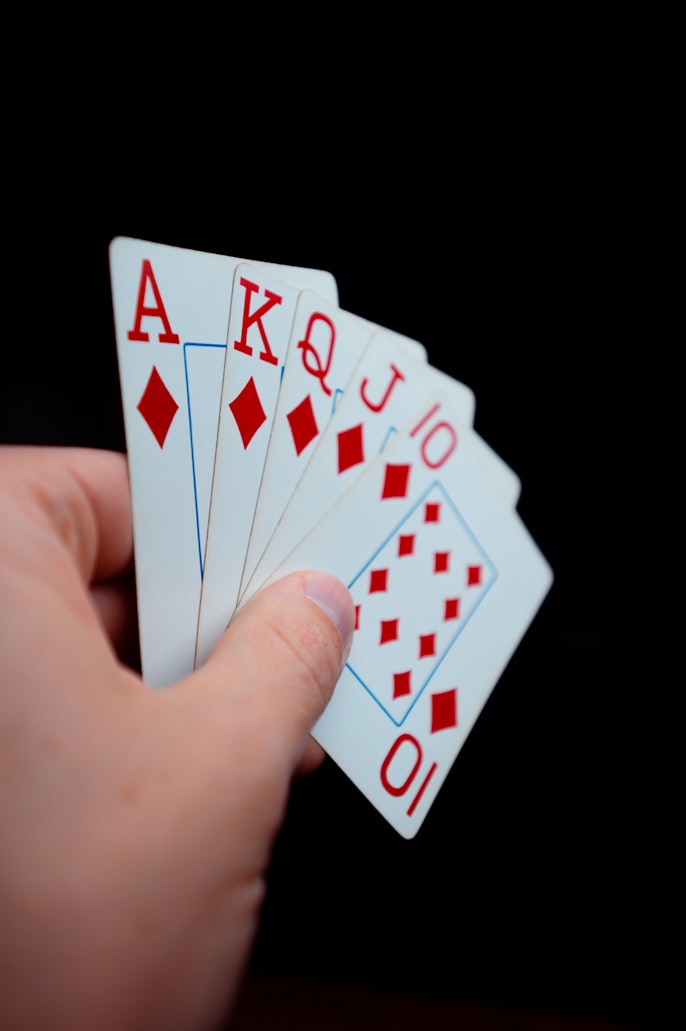
This addiction can lead to serious financial hardships, strain personal relationships, and negatively impact mental health. Recognizing these impacts is the first step towards recovery. Many people may not even realize they have a problem until it affects various aspects of their lives, prompting a need for help. Acknowledging the addiction requires courage and often the support of friends, family, or professionals.
Further complicating the matter are the various myths surrounding gambling. Many individuals believe they can control their gambling habits or that they can win back losses by simply playing more. These misconceptions can prevent individuals from seeking the help they need. Understanding the realities of gambling addiction can pave the way for effective recovery and healing, leading to healthier life choices.
The Journey to Recovery
The journey to recover from gambling addiction often begins with acknowledging the problem and deciding to change. This decision is pivotal and can be one of the most challenging steps. Many individuals find it helpful to seek professional counseling or attend support groups where they can connect with others who share similar experiences. These settings provide a safe space for individuals to express their feelings and struggles, which can significantly ease the burden of isolation.
Establishing a support network is vital in the recovery process. Supportive friends and family can provide encouragement and understanding, which is crucial when facing setbacks. Additionally, therapy options such as cognitive-behavioral therapy (CBT) can help individuals understand and change the thought patterns that lead to gambling. Learning coping strategies to deal with urges and triggers can also foster resilience and promote long-term recovery.
Many people find it beneficial to set clear boundaries and establish a plan to avoid gambling environments. This could involve self-exclusion from casinos or online platforms and limiting exposure to gambling-related advertising. Setting tangible goals and celebrating small victories along the way can help maintain motivation. The road to recovery may be long and challenging, but each step taken is a move towards a healthier and more fulfilling life.
Healing Emotional and Financial Wounds
Recovering from gambling addiction is not solely about stopping the behavior; it also involves healing from the emotional and financial wounds it has caused. Many individuals experience feelings of shame, guilt, and anger, which can be overwhelming. Addressing these emotions is essential for healing. Therapy can provide tools to process these feelings constructively rather than allowing them to lead back to gambling as a means of escape.
Financial recovery is another significant aspect. Gamblers often accumulate debts, which can create a cycle of stress and anxiety. Developing a financial recovery plan is crucial. This plan may include budgeting, seeking financial counseling, and making arrangements with creditors. Learning to manage finances effectively can empower individuals, helping them regain control over their lives.
Moreover, participating in community support groups can provide a platform for individuals to share their experiences and learn from others who have successfully navigated similar challenges. This sense of community and shared experience is instrumental in fostering resilience and maintaining focus on recovery goals. Through collective healing, individuals can find hope and build a new, more balanced lifestyle.
The Role of Professional Help
Professional help is often an essential component of overcoming gambling addiction. Therapists who specialize in addiction can provide individualized strategies that are crucial in addressing specific challenges faced by the individual. These professionals are trained to help clients develop healthy coping mechanisms, enabling them to manage their impulses and emotions effectively.
Moreover, support groups such as Gamblers Anonymous offer a community-driven approach to recovery. These groups provide a structured framework where individuals can share their stories, struggles, and victories. The fellowship and understanding found in these groups can significantly enhance an individual’s motivation to stay committed to their recovery journey.
Additionally, medications may be prescribed in some cases to help manage underlying mental health issues such as anxiety or depression, which often accompany gambling addiction. Combining therapeutic techniques with medical intervention can provide a comprehensive approach to recovery. This multifaceted strategy not only addresses the addiction but also helps improve overall mental well-being, leading to a more balanced and fulfilling life.
Finding Supportive Communities
Finding a supportive community is fundamental for anyone recovering from gambling addiction. These communities can offer understanding, shared experiences, and practical advice that is invaluable during the recovery process. Many individuals find that engaging with others who have similar experiences can significantly reduce feelings of isolation and shame. Whether through online forums or in-person meetings, these connections can be a lifeline.
Supportive communities can include family and friends, but they can also extend to professional support groups and counseling services. Establishing connections with people who genuinely care about one’s well-being creates a sense of accountability. Individuals in recovery often benefit from sharing their experiences and learning from others who have successfully navigated their challenges.
Additionally, resources like local clinics, hotlines, and community outreach programs can provide access to further support and information about recovery options. Engaging in community activities can help individuals rebuild their lives, focusing on positive experiences rather than past mistakes. This shift in focus is crucial for long-term recovery, emphasizing that healing is possible and attainable.

Website Resources for Support and Recovery
For those seeking resources to aid in their recovery from gambling addiction, various websites offer valuable information and support. Many organizations provide a wealth of resources, including articles, forums, and directories of support groups. These platforms can be a great starting point for individuals looking for help and guidance on their recovery journey.
Engaging with online communities can also serve as an additional layer of support. Many websites feature success stories and testimonials that can inspire hope for those struggling with addiction. These narratives can help individuals realize that recovery is not only possible but achievable with the right support and strategies in place.
By utilizing these resources, individuals can find the information and support they need to begin their journey toward freedom and healing. Online platforms can offer guidance on various recovery methods and connect individuals with local resources that cater specifically to their needs. Whether through chat forums, articles, or connection to local support, the right tools and support can make all the difference in the recovery process.